
| office or role | III. Prophet | IV. King | V. Priest |
| God's end-vision for the cosmos, God's people, and particular persons evokes each office. | Prophesying serves the end of coming to see God and one another fully, face-to-face (1 Cor 13:8-12, 1 John 3:2, Matt 5:8). | Jesus has granted his obedient |
Jesus is the temple of his own people who are a New Jerusalem (Rev 21:22, 27); or, Jesus is its cornerstone and his people its stones (1 Pet 2:4-10, Eph 2:18-22), one new human being in him (Eph 2:15). |
| Each office plays a role in Old Testament Israel. | Moses calls Israel to 'listen' (shema) and take YHWH to heart (Deut 6:4–9). Jewish prophecy centers in revolutionary 'speech-acts' (Jer 1:4-10, Hos 1, Jer 19:1-12, John 2:1-11)—shema statements, actions, and lifestyles that accounce loving promises, harsh accountability, and lavish restoration—often rejected (Jer 18:1-12). (Prophets' personal intentions are not decisive: Jonah 4:1-3, Caiaphas in John 11:45-53.) |
Kings come to lead Israel's political order, even though Jewish monarchy is (mostly) a failure to trust God as king (1 Sam 8:1-22). However, King David, despite sinning, went "fully after God" (1 Kings 11:4-5, 2 Sam 6:14-23). God promised David an eternal restored 'house' or line of succession (Ps 89:4, 132:11, 1 Chron 17:11-14). |
Israel's tribe of Levi's 'worship leaders' sacrifice at their meeting place, and are themselves God's and Israel's sacrifice (Num 8:5-22). They intercede, teach Torah, and discern and conserve Israel's holiness. |
| Each faces a dilemma under the Torah's old covenant. | From Joshua onward, Israel awaits a "prophet like Moses" (Deut 18:15-19), but he does not arrive (Deut 34:10-12, cf. Acts 3:18-26). | How can the kingdom of Israel be reconciled to the Kingdom of God? | The blood required for cleansing (Ex 12:12, 24:8) cannot work (1 Sam 2, Isa 1:10-17, Mic 6:6-8, Heb 10:3-4). |
| Christ's mission fulfills each role. | Cast the Father's vision, announcing and ushering in the Kingdom (Isa 61:1-2 in Luke 4:18-22, Matt 25:31ff) and inviting people to enter. | Restore the Kingdom of David (Luke 1:32-33) as the Kingdom of God (4:43, 19:15), featuring all the earth's peoples (Luke 6:2, Rev 5:8-10). | Offer the necessary resources to reconcile God's people to God (Col 1:19-20, Heb 9:14). |
| Each role features in Jesus' youth. | The young Jesus is already a sign of God's favor and our rejection of it (Luke 2:12, 34-35) and resembles the prophet Samuel (1 Sam 2:1-10 in Luke 1:46-55, 1 Sam 2:26 in Luke 2:52). | This "son of David" (Matt 1:1-17) is born king (Matt 2:2). | Luke casts Jesus' childhood in terms of righteous priesthood (as well as other offices; 1 Sam 2 in Luke 2). |
| Jesus' baptism inaugurates each role as an overture of his plan. | The Spirit descends upon him, anointing him to proclaim (Isa 61:1-2 in Luke 4:16-21). | His baptism declares the Son God's heir (Ps 2). | His baptism implies his priesthood (Ps 2:7 in Heb 5:5-6). |
| The devil pursues a counterstrategy in the wilderness temptations and later opponents. | 'Seeking a sign' with an opportunistic act like turning stones into bread would make Jesus just another false prophet (Luke 4:3-4, Deut 8:3; Matt 12:38-39). | Rejecting God as King would make Jesus just another king like the Gentiles have (Luke 4:5-8/Ps 2:7-11, Deut 6:10-15). | Putting God to the test would make him just another faithless priest (Luke 4:9-12, Ps 91, Deut 6:16, Ex 17:2-7). |
| In his ministry Jesus takes on each role to enter a given field, 'plow' it, and sow ... | Jesus' signs, wonders, and mighty deeds proclaim God's Reign, reveal the Father (Matt 11:27), and are misunderstood (Matt 13:57, Luke 4:16-30 and 13:31-35). | Jesus' new covenant (arrangement, vow) heralds a new politics or order of right relationships (Matt 12:28/Luke 11:20, Luke 17:21). Jesus enacts it in calling twelve disciples, associating with outcasts (Mark 2:16), breaking tradition on his own prerogative (Mark 2:23-28, 7:1-13, Matt 11:19), inviting sinners to enter through his word rather than ritual repentance, and entering Jerusalem as its "king coming" (Mark 11:10, cf. Ps 118:26; Matt 21:5/John 12:15, cf. Zech 9:9). | He teaches, cleanses, exorcises, heals, and even forgives sins (Mark 1:21-2:12), all with unsurpassed authority. |
| ... and reshapes the office around him ... | Jesus is prophecy itself, God's very Word, God's definitive self-revelation (John 1:18, 1 John 1:1-4) revealing the Father (Matt 11:27). | Serving is how Jesus rules, especially in death (Mark 10:42-45). | Jesus takes 'the Temple' with him (John 2:18-22), practicing 'offensive holiness' and then offering himself once for all (Eph 5:2). |
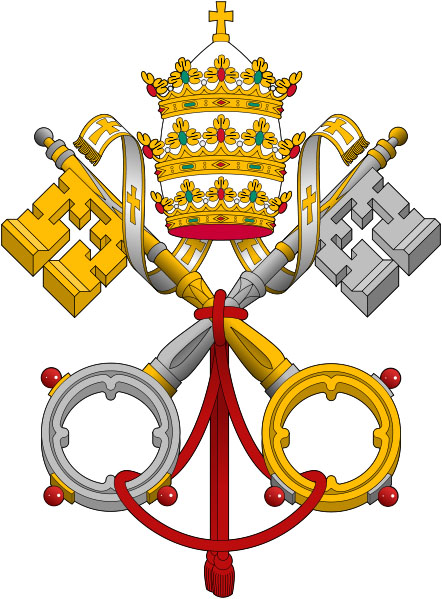
| ... as he grows and matures its harvest, starting with the Twelve and extending in and through his body, the Spirit-gifted church. | Christ's Spirit inspires his witnesses and the disciples they make to live his gospel (Phil 4:15) and testify as his witnessing evangelists (Matt 10:16-20, John 9:8-34, Acts 1:8) and prophets (Acts 2:18, 1 Cor 11:5, John 16:12-15, Eph 4:11-12) with whom Jesus speaks clearly (Num 12:6-8; Mark 4:11-12, John 16:29). Their speech-acts include proclamation, prophecies, words of knowledge, symbolic actions, and 'shema' lifestyles that multiply his impact (John 14:12). | Jesus authorizes disciples to do his royal business (Luke 9:1-2, 10:1, 20:9-27) and sends apostles, and shares his rule with us (Luke 22:28-30, Rev 3:21, 5:10) as fellow servant-heirs (Rom 8:15-17) and shepherds (Eph 4:11-12). | His 'royal priesthood' (Isa 61:6 in Rev 1:5-6, 5:10, 1 Pet 2:5-9) shares his 'power of the keys' (Rev 1:18, Matt 16:18-19, John 20:23, Vatican seal) to "bind and loose" (cf. 18:18-19), and teaches from within his living temple (Eph 4:11-12) as a "priesthood of all believers" in which all are equipped. |
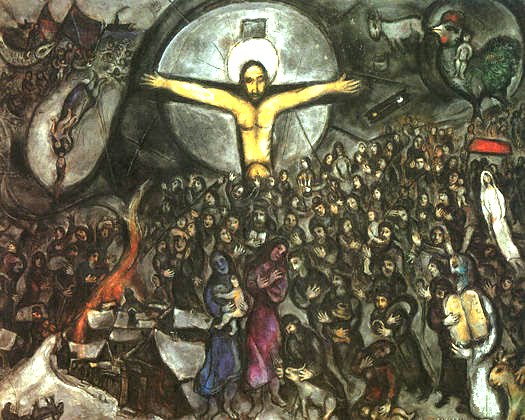
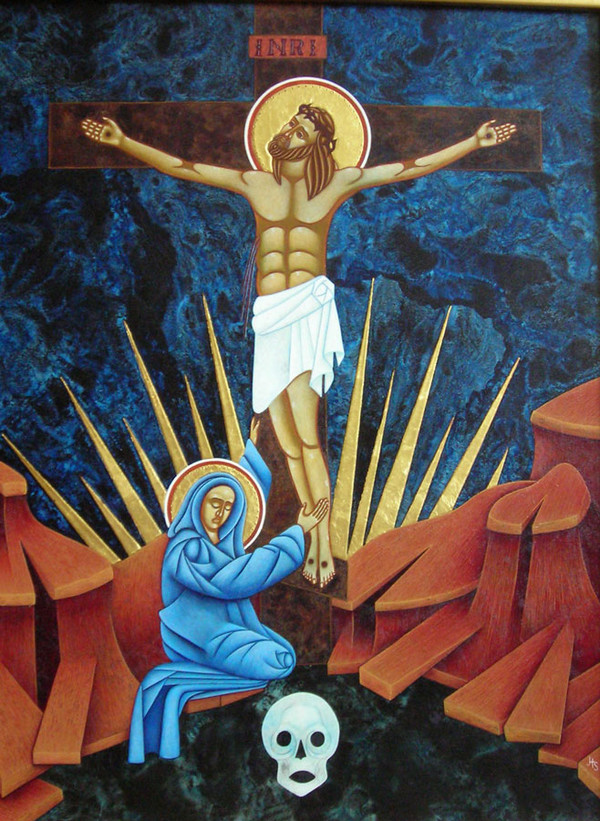
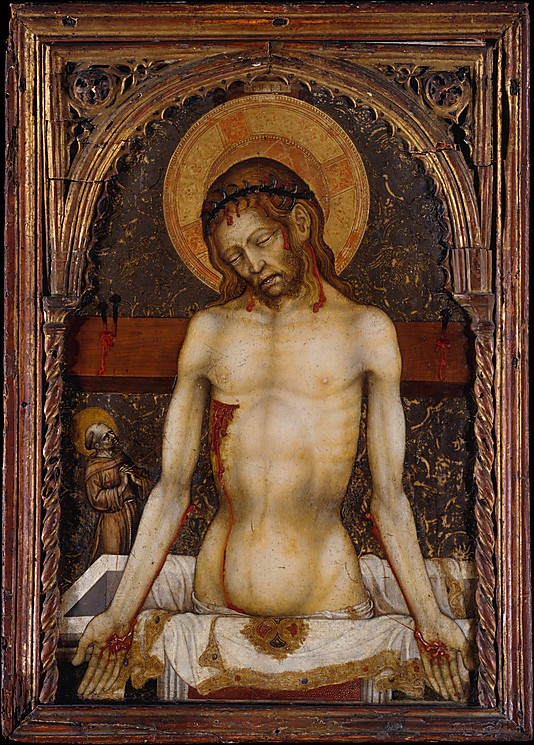
| Rejection of each office by 'weeds among the wheat' (Matt 13:24-30) climaxes in Jesus' decisive passion, especially his crucifixion. | Clearing the Temple (Isa 56:7 and Jer 7:11 in Luke 19:41-48) (and in John 11:38-53, raising Lazarus) lead to the cross as Israel's rejection of its 'prophet like Moses' (Acts 3:22-26 cf. Deut 18:15-19), the revealer of God's love (1 John 4:9-12). The cross is not mortality per se but shaming rejection (Luke 9:22, 9:36, 17:24-27, 18:32, Acts 4:11; Heb 12:2) of Jesus obeying his Father (Luke 22:42). | Jesus' parable of the vineyard (Mark 12:1-12), resurrection, and exaltation (John 12:27-36) interpret Rome's execution of "the king of the Jews" (Matt 27:11, 27:29, 27:37, 27:42) as deposing and conquering Israel's unrighteous rulers and glorifying its true Ruler. | Jesus commits himself (Luke 23:46) to his Father's 'cup' (Luke 22:19) of being Israel's rejected cornerstone (20:15–18; Ps 118:21-27). The cross is a representative atonement (cf. Heb 10:12-13, Phil 2:5-11, 1 Cor 11:23-26) on behalf of both the righteous and gracious God and sinful and destitute humanity. |
| I see each one echoed in a family of later atonement theories: | Moral Influence or Example Encountering Jesus' redemptive love changes our disposition and character (Rom 5:5-8, Acts 2:36-38, Heb 12:1-12) (Peter Abelard). Cf. René Girard's mimesis and disciples' imitatio christi. |
Victory (Christus Victor) He entered into human rejectedness and its fatal consequences (Luke 23:39-41, 47) in order to enter into his glory (24:26). Jesus conquered sin and death (Col 2:14-15, Rev 5:5, Luke 19:11-27, Gustav Aulén's Christus Victor) and transferred us from their kingdom to his (Col 1:13-14, 'Two Kingdoms' tool). |
Sacrifice or Reparation Jesus is the sacrifice that repairs the divine-human relationship from the human side of the breach with God's resources of righteousness (1 Tim 2:5-6, Luke 22:19-20). |
| Each images sin and grace in particular ways. | Sin manifests as ignorance and concupiscence (disordered desire/craving), grace as revelation and inspiration (John 1:18, Rom 12:2, Phil 2:5). | Sin manifests as rebellion and oppression, grace as amnesty / pardon (Isa 55:6-9) and liberation. | Sin manifests as guilt, grace as forgiveness. |
| Films illustrate each: | Spitfire Grill. | Prince of Egypt, Gran Torino—and Job (see 2:1-6, 42:7-10, John 12:27-33, Rev 12:7-11). | The Passion of the Christ, The Iron Giant. |
| Specific Christian traditions favor each. | broadly influential, especially in the early church, liberal and Social Gospel/progressive Protestantism, and revivalism | the early church, Lutheranism, Eastern Orthodoxy, Pentecostalism, and liberation theology | Catholicism and evangelical and Reformed Protestantism |
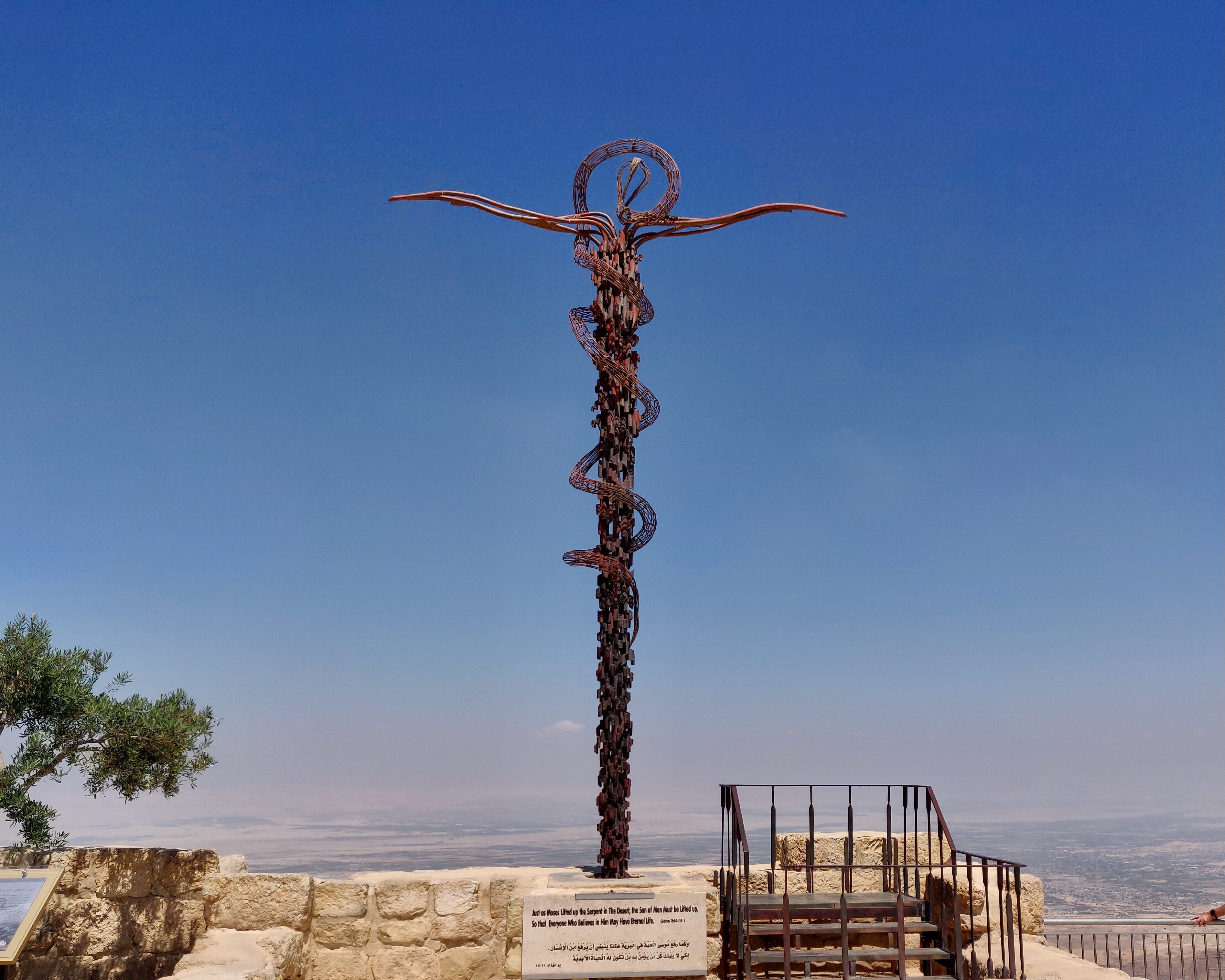
| NT writings develop themes of each. | "The Son of Man must be lifted up" (John 3:14-15, after Numbers 21:4-9): Facing the cross saves us. | Luke develops a detailed narrative theology of Jesus the victorious Son/heir of his Father's Kingdom. |
A key term: Hilastêrion (Heb 9:5, Rom 3:25), meaning expiation (repayment; for guilt?) or propitiation (appeasement: for honor?). |
| Each family includes varieties. | Jesus encounters us with saving revelation (dialectical theology in Barth, Bultmann). | Christ the healer; Christ the liberator; ransom theory (The Lion, the Witch, and the Wardrobe) where goodness' intolerable presence provokes futile opposition. | Satisfaction (Anselm) (Heb 2:14-17); penal/vicarious substitution (Calvin; The Fundamentals). |
| Objections critique each theory of atonement, provoking some common answers. |
The following objections all suggest that the theory is inadequate on its own, though it may strengthen a more complex picture. Why do the cross's witnesses miss its significance and revile him? (Mark 15:29-32). Is salvation merely psychological? Is crucifixion truly required for this change, or just some display of love? Can human attitudinal change reverse all of sin's effects? What 'love' would crucifixion express if it is primarily symbolic? |
Does it pay too much 'respect' or even deference to Satan? "The kingdom suffers violence" (Matt 11:12): It respects the centrality of opposition and conflict and the power of Jesus' and his followers' response. If Christ defeated opponents, isn't all of humanity defeated? (cf. Luke 20:36) Atonement seems to involve more than just that victory; other aspects of atonement would explain how opponents such as Saul can become beneficiaries and agents of salvation. If Christ defeated 'the power' of sin, aren't all humans saved from our slavery to sin? (cf. Luke 19:26-27). Jesus repeatedly describes mortal consequences for stubborn rebels, so the objection misunderstands the nature of the victory. Does liberation really solve our problem? Israel's later history shows that being freed from Pharaoh's oppression wasn't its only, or deepest, need (cf. Ex 15:21-17:7). Other aspects of atonement address those needs more clearly than victory alone. |
Is Jesus qualified for priesthood? He isn't a Levite. So his priesthood is like Melchizedek's (Heb 6:20, 7:14, Gen 14:17-20). Is the cross a lawful sin offering when he is killed by 'lawless' Romans, outside the city rather than in the Holy place? His offering happens in the heavens after his ascension (Heb 9:11-12). What is just about requiring or accepting Jesus' suffering? Athanasius and Anselm: It addresses the greater injustice of a creation lost to sin and unable to give its Creator he glory God deserves. Is this 'God' violent or cruel, rather than the God whom Jesus reveals? Jesus' warns of God's just judgment with sometimes violent imagery (Matt 21:41); and he, creation's judge, suffers it himself for his Father and for sinners (Isa 52:13-53:12 in Luke 22:37). Are all redeemed, or is atonement limited? It is limited regardless; even Arminians limit atonement, to sins besides unbelief and rejection, and God's offer of amnesty in Christ is limited in duration (2 Pet 3:9-10). Doesn't his resurrection accomplish a lot too? (Rom 4:25, 5:10, 8:34). Hebrews does see the risen Christ offering his blood in heaven (9:11-12), but sacrificial theory does seem to restrict his saving work to his death. Other compatible theories more fully respect his resurrection's saving work. |
| The ascended Christ continues to work in each role ... | Jesus is the living Word (John 1:1-18, Rev 19:13), who still acts and teaches (Acts 1:1). | Pentecost shows (Acts 2:33-36) the ascended Christ reigning at the Father's right hand (Ps 110) and granting the things that happen through his disciples' work in his name (Acts 1:1, 4:29, 14:3). They continue to proclaim, prove, and exercise Christ's rule over every nation and kingdom. | The risen Jesus ratified the new covenant (Heb 9:11-28) that removes our sin (9:26-10:25), and he lives to intercede for God's people (7:22-25) forever as high priest (2:18). |
| ... multiplying new generations of disciple-makers who take on his suffering as leader-servants. | Amidst persecution, betrayal, and false prophets, disciples will proclaim his good news until he comes (Matt 24:9-14). The testimony of his witnesses (martyrs) helps the Lamb conquer the dragon and his angels (Rev 12:11). | Obedient disciples (Phil 2:5a, 12–13) follow their obedient Master (2:8; Matt 10:23-25), as the Father's 'sons' and heirs (Heb 12:3-14), co-heirs who suffer with him to be glorified with him (Rom 8:14-17). | Suffering disciples such as Paul rejoice to be completing what is lacking in Christ's afflictions (Col 1:24-27), as now-acceptable sacrifices (Rom 12:1). |
| Christ's completes each role in his future return (parousia, 'appearing'). | Jesus' words open the final act (Rev 5:1-5) that defeats sin forever (Rev 19:15). | Jesus will come again to judge all things (and we judge with him, 1 Cor 6:3), and to grant us to reign with him forever (Rev 22:1-5). |
Jesus has offered his sacrificed blood in heaven "at the end of the ages," so his return will save his people rather than deal with their sin (Heb 9:24-28). |